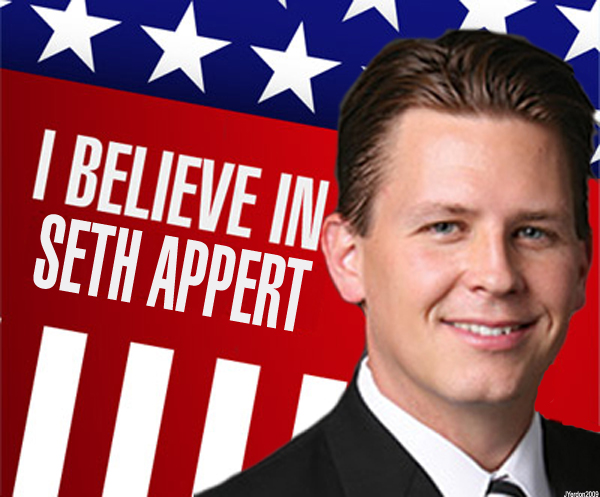
Showing posts with label seth appert. Show all posts

Monday, March 6, 2017

Turning Point

"Something needs to change, or something needs to change."

That's how I ended my last blog post back in December. That was three full months ago - and unfortunately, nothing changed. Today, RPI decided that what needed to change was the head coach. After 11 seasons in Troy, Seth Appert is out.

I must admit, I found the news simultaneously shocking, and not shocking at all. After all, the team managed just eight wins this season, failing to win 10 for the first time since 1982. 28 losses was a school record for a single season. And a .230 winning percentage was the lowest since the benchmark for disastrous RPI seasons, 1966 (still tops at .136). This was a historically bad season.

Worse, it was almost entirely unexpected. This team was supposed to do much better than this. Expectations coming into the year weren't that the Engineers were destined to be cellar-dwellers. They may not have been world-beaters, but they weren't the worst team in the conference either. Amazingly, they didn't end up being the worst team in the conference (thanks, Brown). But it was a brutal, harrowing experience this year.

If this was a serious aberration, it may not have led to a change in management. But the problems really were adding up on a level that the school really couldn't keep living with. By now, they've been repeated over and over again. No ECAC semifinals since 2002. Just four winning seasons in the last 11 - just one 20-win season (at exactly 20) against five 20-loss seasons (all with 23 or more). The frustration has mounted, and a season this bad, against expectations much higher was too much to bear.

Even now, looking back, it's hard to say that Appert's extensions weren't warranted when they happened. His first extension was in 2011, after an NCAA tournament appearance. The feeling was that the program had turned the corner. A second-place finish in 2013 seemed to justify that feeling, and serendipitously for him, the head coaching job at Denver came vacant at the exact same time - one of the few jobs, it was felt, that he'd leave RPI to take. Some reports even suggest that he was offered the Denver gig, and went back to RPI to see if they wanted to counter. The star was on the rise, no doubt, it seemed. RPI anted up. Unfortunately, it appears they lost the bet.

The 2014 Engineers were tabbed to be among the best in the ECAC and potentially among the best in the nation. And then Jason Kasdorf suffered a freak injury that drastically altered not only his own career but the trajectory of the program. That was bad enough. Having to watch Union go on to win the national championship that year only twisted the knife even more. It's not super fair to include that in a list of reasons why Appert is gone, but it's human nature.

There was just never a recovery. A year after the Engineers were supposed to be the toast of the league, they lost 26 games. Last year, they underperformed regularly in a better season, finally killing the home playoff bugaboo but still failing to reach Lake Placid. And then this year.

Eating four years of contract is tough for a big school with a big budget. RPI is neither of those things. We don't know how much Appert was making in his position, but you can bet that the absolute, bare minimum floor of this buyout is well over a quarter of a million dollars - possibly even reaching upwards of half a million. That's why this move is at least a little bit shocking. It cannot have been easy for the athletic department to have made this move. But ultimately, the results of this season left few good options on the table.

The buyout is going to have an impact on the amount of compensation the school can offer a replacement - let there be no doubt about that. Whoever takes this position is likely to be doing so for a salary that's well below the Division I average. That's a reason why I thought it may make sense for RPI keep Appert, who, for all of his well detailed flaws, is at least at this point a well-experienced Division I coach. A low salary will more likely attract a head coach without such experience, making RPI an entry-level position for someone who will either fail to improve the program or will be gone just as soon as improvements start becoming evident to other programs. For those celebrating this moment, we're going to find out in the coming weeks if this is more of a "be careful what you wish for" situation.

Personally, I'm neither celebrating nor lamenting this action. I can understand why it happened. And most people also understand that RPI does lose a class act in Seth Appert as well.

But this story isn't finished being told, either. Who comes in next will play just as big of a role in determining the future of this program as today's decision did. 

Tuesday, April 23, 2013

Hibernation Mode: Active

In case you haven't already noticed, we're into our usual April/May slumber here at WaP. We push posts 10 months a year around here, which surpasses a lot of other blogs which basically just operate from September as the season ramps up until March or April when their team's season ends.

We try to stay on top of all news RPI, most news ECAC, and the big news on the national level. In order to keep the batteries charged, we typically don't post much from the end of the Frozen Four until late May unless something huge happens.

Now that Seth Appert has another contract extension and is definitely staying for what we hope should be a very exciting 2013-14 season for the Engineers, it's time for hibernation. While yearly renovations get underway on the secret underwater lair, we're going to be incommunicado here for the next few weeks, as per usual.

We'll still have updates on Twitter - and, if you're not following us there yet, get with the program - as they are warranted. Unless a post is warranted sometime in the next month or so, we'll see you again on May 22 as we crank up our yearly summer cooler series, "Know Your Enemy," a weekly look at the RPI men's 2013-14 opponents. From time to time during the summer, we'll have other stuff as it comes up.

Tuesday, April 2, 2013

Things To Do In Denver When You're Red

12 consecutive 20-win seasons. Six consecutive NCAA tournament appearances. Back to back national championship wins in 2004 and 2005. Three MacNaughton Cup titles for winning the WCHA regular season title. Four Broadmoor Trophy reigns as WCHA champions. A Hobey Baker Award winner. Just one losing record in 19 seasons.

Not enough for George Gwozdecky to keep his job at the University of Denver.

Now, the haters are going to point out that, while the Pioneers have consistently made the tournament, they haven't advanced to the Frozen Four since winning it all in 2005, and have won just one NCAA tournament game since then (beating Western Michigan in two overtimes in 2011 at Green Bay - the regional that included the Engineers). So, perhaps the bar is just that high in Denver.

Even still... the resume in the first paragraph is pretty impressive. Apparently, the powers that be at DU want national titles and won't be satisfied with anything less. That has to be daunting for whoever it is that might replace the truly legendary Gwozdecky at Magness Arena.

Denver is certainly a high-profile opening - not the most high-profile opening we've seen this year, but the BU opening was open for about 40 seconds before they named David Quinn as Jack Parker's replacement.

So who is it? Denver's associate head coach, Steve Miller is almost certainly not it - he's been Gwozdecky's top lieutenant for all 19 years that he's been in Denver. You don't show that kind of loyalty for that long only to take the guy's job when he gets canned. The other assistant, David Lassonde, has been an assistant coach in college hockey since 1989, including 14 years at New Hampshire before spending the last two seasons at Denver. He could be a solid candidate.

Protégés are all over the rumor mill. Air Force associate head coach Mike Corbett is a former DU defenseman who played for Gwozdecky, he's been with the Falcons (conveniently, right there in Colorado) for 10 seasons. Derek Lalonde was an assistant in Denver under Gwozdecky from 2006 to 2011, when he took over the Green Bay Gamblers of the USHL and won a league championship in his first season.

Among the other names that have cropped up are two other Gwozdecky protégés - Miami head coach Enrico Blasi, who played for Gwozdecky in Miami between 1990 and 1994 and who was an assistant in Denver from 1996 to 1999 before taking the top job at his alma mater, and St. Cloud State head coach Bob Motzko, who served under Gwozdecky at both Miami and Denver before eventually taking the top spot at his alma mater.

Neither of these candidates seem likely based on what they have accomplished or are accomplishing in their current positions. Blasi has taken Miami to heights that even his predecessor did not achieve while he was in Ohio (namely, NCAA tournament victories to go with 9 NCAA tournament apperances in 10 years, including two Frozen Fours and very nearly a national championship in 2009). And I don't know if you've been reading the news lately, but Motzko's Huskies just reached the Frozen Four for the first time in school history, quite an accomplishment for a much maligned program that until Motzko took the reins, was a punchline for the number of times they'd tried and failed to win even one NCAA tournament game.

Throw in the fact that both of these gentlemen would be facing their former teams in the NCHC next year, and it's a good bet we won't see either of them in Denver next year.

But there's one other well known Gwozdecky protégé out there that people are talking about - in fact, he was the first name the Denver Post, among other outlets, brought up: RPI's Seth Appert.

As most RPI fans known, Appert was an assistant in Denver from 1999 through 2006, when he came to Troy as RPI's 9th head coach in the modern era, and he was considered an instrumental recruiter for the program during the Pioneers reign as back-to-back national champions. He's not currently at his alma mater like Blasi and Motzko, and he hasn't yet placed RPI on the same level that either of those men have done at their respective schools.

He refused comment when the Daily Gazette's Ken Schott asked him if he would be a candidate. Don't read too much into the refusal to say no - the question was asked mere minutes from the time Gwozdecky's firing was made public. That isn't enough time to consider anything, either way.

It has long been suspected that Appert might only consider leaving RPI for two places - Denver, his long-time home, and Ferris State, his alma mater. That's probably not entirely true, but it does make the Denver opening more intriguing from an RPI fan's perspective.

But don't count on a vacancy in Troy this summer. Why? A couple of reasons. First, alumni reaction to the firing at Denver has been almost universally negative. Whoever comes in now is going to have to deal with a fanbase that will have very little patience. Second, DU's interest could be tepid at best - who would fire a person and then hire someone that learned from him? It would be a different story, for sure, if Gwozdecky had resigned. Third, Gwozdecky's resume is going to be difficult to top. Fourth, the loyalty factor has to come into play: reports say that Gwozdecky's protégés tend to maintain a very close relationship with the man. Like Miller, who would want to be the one to succeed him?

Is it possible that Seth Appert could leave? Yes. Is it likely? Probably not.

Regardless, it will be very interesting to see how everything plays out, especially with the conference realignment about to strike the balance in college hockey.

We'll be keeping a close eye here as well, in part because the Pioneers will be coming to Troy next season as one of the non-conference opponents. Stay tuned.

Wednesday, March 6, 2013

Closing the Book on the Pirri/D'Amigo Era

We've been as guilty as anyone - perhaps more than anyone - of pontificating about the arrival and sudden departure of Brandon Pirri and Jerry D'Amigo. Hopefully, this is the last one. Admittedly, it does feel a bit odd to still be talking about them, or even their era, when we're nearing the end of the third season without them, a season few ever expected to still see them in Troy anyway. That should underscore some of what the whole thing means to RPI hockey.

There's little doubt looking back now that the pair, in just one season in the Cherry and White, left an indelible impact on the program that could be felt for years going forward.

It somehow makes total sense that D'Amigo and Pirri became known as RPI commits within 10 days of each other during the summer of 2008. Committing some five months after current sophomore Jacob Laliberte and current junior Matt Tinordi, their names have been and will continue to be linked in the annals of RPI hockey.

They tantalized RPI fans with outstanding play in their final season in juniors, creating high expectations on them when they arrived on campus in the fall of 2009 - and then they didn't disappoint. Combining for 21 goals and 56 assists in their freshman seasons, helping to propel junior Chase Polacek and senior Paul Kerins to big years as well. D'Amigo was a major contributor to the United States' World Junior Championship gold medal, and ended up being the ECAC Rookie of the Year (though some, including this writer, felt Pirri was more worthy of the nod). They were expected to play a big role in what many felt would be a year of major expectations, perhaps not seen in Troy in a quarter century.

Then, just like that, they were gone.

There was really a confluence of events that led to both players leaving. First, the summer of 2010 saw an abnormal number of players choosing to forego college eligibility to sign pro contracts, in part due to the soon-closing window on the NHL's collective bargaining agreement, which had been very kind to entry-level bonuses. Second, D'Amigo it was said added a good 20 pounds of muscle in the offseason, which piqued the interest of then-Toronto GM Brian Burke, especially after the accolades he'd picked up in his freshman year. Third, Chicago - the team holding Pirri's NHL rights - had just won the Stanley Cup, but had pressed its team flat against the salary cap to do so and was holding a bit of a talent fire sale, opening roster slots in Chicago and with their AHL affiliate that needed to be filled.

Throw all of this together, and it's not hard to see why the dominoes fell as they did. If D'Amigo had not left, Pirri likely would have stayed as well, but at the end of the day, it was a perfect storm.

There were plenty of naysayers at the time who felt the duo were leaving school far too early, and in hindsight, that probably has been confirmed. Two full seasons on from their departure, they've combined for a grand total of six NHL games, all by Pirri. D'Amigo's struggles have been especially pronounced, highlighted by a difficult first season that began with hopes of making the NHL roster out of camp but slid into a struggle in the AHL and finally a trip to major junior, which is what RPI fans in particular feared most - what ultimately became a lateral move to the OHL.

Both probably could have used at least another year or two in college, but that is neither here nor there at this point. Now it appears the negative impact from their early departure - felt in a less-than-hoped-for showing in 2010-11 and a rough 2011-12 season - may finally have been mitigated. With the Engineers back in legitimate competition for a league championship and riding a streak of 10 wins in the last 12 games, the holes they left behind appear to have finally been filled on a team-wide basis, and with a very impressive set of recruits ready to arrive in the fall - not to mention the impending graduation of the players Pirri and D'Amigo arrived with - we can finally examine the lasting impact that their short association with RPI brought to the program.

There's an opportunity cost whenever a college team brings in a recruit of any kind. Bringing in D'Amigo and Pirri meant there would be no room for other forwards who could have potentially come to Troy, some of whom are surely playing for other teams right now as juniors and seniors. That's been a part of the game forever, though, and it becomes pronounced only when you lose your recruits early.

The matter of two suddenly open scholarships certainly comes into play as well. Four current sophomore forwards (all but Laliberte) committed to RPI in the weeks and months following the departure of Pirri and D'Amigo. If they hadn't left early, two of those four are probably playing somewhere else right now. Pick two guys out of Matt Neal, Ryan Haggerty, and Mark McGowan you wouldn't mind subtracting from this year's team. Didn't think so.

That covers the short-term impact. But what about the long-term?

Most of the players on this current team - the one that has finished higher in the ECAC standings than any team in the last 20 years - were recruited after Pirri and D'Amigo began playing at RPI. That's all of them with the exception of the graduating seniors and the aforementioned Tinordi and Laliberte. Consider those players and the outstanding talents expected to come into Troy next season, and compare them with recruits prior to Pirri and D'Amigo. There's an absolute increase in the talent level.

The bottom line is that these talented players provided a quick bump to the program that, after a short hiccup last season, seems to have provided what could well be a lasting boost to a team that may well have finally found its way out of the dark. Rather than lament their departures, going forward it is perhaps more appropriate to laud them for their contributions, limited as they may be in the direct sense.

Wednesday, December 26, 2012

What If: Wait Until Next Year

* August 2010: Brandon Pirri and Jerry D'Amigo sign NHL contracts shortly before the beginning of their sophomore seasons

Taio Cruz - Break Your Heart


For a program that was in desperate need of salvation, Brandon Pirri and Jerry D'Amigo seemed like godsends - and despite a bitter ending to an otherwise successful season, better days were certainly on the horizon. Given all the things RPI fans were expecting to happen in the offseason following the team's bitter Game 3 loss to last-place Brown, the 2010-11 season was full of all kinds of hopes and dreams.

The first three seasons of the Seth Appert era were difficult to say the least. Making it clear early on that he intended to start essentially from scratch and build the program into prosperity with his own recruits, the team went 31-68-14 between 2007 and 2009, bottoming out in the third season with a .282 winning percentage that was the second lowest in the modern era, ahead of only the 3-19-0 season of 1965-66.

That 2009 result was deflating for a lot of RPI fans. After all, the new coach by that point was now at the head of a team that was comprised more than half of its roster with players he had recruited. There was little question that sophomores Chase Polacek and Tyler Helfrich were the heart of the offense, but team defense continued to suffer by and large.

Hope, it seemed, was on the way in the form of three prized forward recruits that had been landed just ahead of that dismal season. The first was a small forward from Ontario who could score in bunches, Jacob Laliberte, who committed in February 2008. Then came two big names at the almost same time - Jerry D'Amigo, who would play the 2008-09 season for USA Hockey's Under-18 program, who committed in July, and then the talented Brandon Pirri, a somewhat larger forward from Ontario who could also score in bunches.

Laliberte, who would have turned 19 just before the 2009-11 season got underway, was eventually pushed back a year, but the arrival of D'Amigo and Pirri as boosters for Polacek, Helfrich, and freshman standout Patrick Cullen certainly mitigated that move significantly, with interest piquing after Pirri was selected late in the second round of the NHL Entry Draft that summer, followed by D'Amigo's selection in the sixth round, not to mention the head-turning he did at the US Junior camp in Lake Placid that summer.

The season got off to a slow start as RPI put together a 1-2-1 record in its first four games and then posted lackluster wins against Sacred Heart and American International on back-to-back nights. A dramatic come-from-behind win in Schenectady over Union was overshadowed the next night by a loss to Army on Halloween night which concluded a lackluster October.

Hope began to spring in November with the ECAC schedule getting underway, as the Engineers whipped off wins against Yale, Brown, and Clarkson to start the league season 3-0, the first time the team had accomplished the task since the ECAC championship season of 1995. They then jumped out to a 1-0 lead over St. Lawrence, only two give up two goals in the span of 1:49 in the third period to lose 2-1. That would be the first of six losses in the team's next seven games, including four ECAC games, which sunk those early high hopes, especially given that the other three league games were all in Troy.

In December, D'Amigo was invited to join the US junior team in Canada, and he not only played, he starred on a team that defeated Canada for the gold medal. By the time he returned to Troy in January, his stock had risen significantly, and it coincided with a rise in the team's performance.

Things slowly cranked back up in mid-December. After an upset over BU in Boston, RPI took down Michigan in the first round of the Great Lakes Invitational and then swept the Quinnipiac/Princeton road trip. Between New Year's Day and Freakout, RPI put up a 7-3-2 record that put the team right back in contention for a first round bye. By this point, people were well aware of D'Amigo and Pirri as potential rookie of the year candidates, and Polacek was becoming a legitimate Hobey Baker candidate himself.

Then came Freakout, which was also senior night, and the Engineers could not have played more poorly. With sophomore goaltender Allen York out with an injury, Princeton destroyed RPI 7-0 and dealt a serious setback to the Engineers' first-round bye hopes. A one-point weekend in Central New York sealed the Engineers' fate, they would be the sixth seed after losing a tiebreak with St. Lawrence for fifth place.

Then, the Brown debacle. After a terrible third period performance in Game 1 put RPI down in the series, a 4-1 win in Game 2 forced the a deciding Game 3 - but the Engineers were flat as could be in that contest, falling behind 3-0 early in the third period. Two third period goals were too little, too late, and the turnaround season ended with an upset loss.

But, fortunately, another talented freshman class was waiting in the wings, chock full of defensive strength and, of course, Laliberte.

In August, as the team was getting ready to congeal again for the season, word came from Lake Placid - where D'Amigo was training again for the World Juniors - that the rising sophomore had gained a good 20 pounds of muscle during the offseason, and that Toronto, who had drafted him a year earlier, was impressed with his Rookie of the Year season and previous WJC exploits. After camp ended, D'Amigo was offered the money, and he signed.

It was certainly a blow to the team to lose D'Amigo that early - after his successful freshman year, few thought he would stay through his senior season, but almost no one thought he'd leave before his sophomore year - but conventional wisdom had it that as long as Pirri was in the mix, RPI was going to be OK. Then Pirri was a conspicuous absence at captain's practices, and before long, he had signed a professional deal as well.

The departure of the freshmen actually made up two of a series of events we deemed the "summer from hell" that drastically changed the 2010-11 Engineers from what expectations had been at the end of the 2009-10 season. Assistant coach Jim Montgomery left the program to restart the Dubuque Fighting Saints in the USHL, prized defensive recruit Nick Quinn first pushed his arrival in Troy back a year and the decommitted altogether (ending up in the OHL), and Laliberte had his arrival in Troy pushed back for a second year in a row. That let a lot of the air out of high expectations for 2011 that had some pegging RPI as the top contender to Yale's dominance of the league table.

Pirri's departure was chalked up to the roster issues that Chicago, the Stanley Cup champions, had after being forced to let go of many of its role players to be able to afford some of the hefty contracts they'd taken on to make their championship run, but in all likelihood, D'Amigo's departure only hastened Pirri all the more. D'Amigo ultimately struggled in the AHL in 2011, eventually being sent to play in the OHL, while Pirri spent nearly the entire season in the AHL, save a single NHL game which extended RPI's streak of alums playing in the big leagues.

Despite diminished expectations, the Engineers still ended up having a phenomenal 2011. They chased after and picked up the team's first NCAA bid since 1995, and were nearly unbeatable at home - they won their first seven home games in a row, and didn't have a regulation loss at home until the final week of the regular season - which, as it turned out, could have helped them gain the first-round bye if they'd have had any other result in that contest. Overall, RPI went 14-3-1 between mid-November and early February, a showing for much of the season that helped them back into the NCAA tournament despite a 2-6-1 conclusion to the year.

How would the 2010-11 Engineers have fared if the "summer from hell" had never taken place? What if Toronto had told D'Amigo to hone his skills in Troy for another year to see if his skill level would catch up with his bigger size?

D'Amigo had a difficult first season in the pros, but it may have been portended by a rough WJC camp that summer, which had been chalked up to the attention Toronto had been giving him at the time. He may have been destined for a down year, but night-in and night-out at RPI is still a touch easier than the AHL or even the World Junior camp. Polacek managed to be a Hobey Baker candidate for a second straight season even without the pair, and Allen York came into his own as a top-tier goaltender as well.

Whatever kind of seasons Pirri and D'Amigo would have had in Troy in 2011, you have to think their presence would have boosted the Engineers in close games that were either tied or lost. That by itself likely would have been enough to boost RPI into a top four position in the ECAC playoffs, and probably would have made an NCAA bid more of a sure thing rather than the edge-of-your-seat waiting game that took place for two weeks after being upset by Colgate (which may have helped them get the bid, ironically).

Without considering how RPI would have fared in the ECAC tournament, the boost would surely have been enough to improve the team's draw for the NCAAs. Being matched up with the odds-on favorites for the national championship is never easy (and unfortunately, York wasn't in a good position to channel his inner Jon Casey against North Dakota).

Could that have produced at least the team's first NCAA goal since George Servinis, or perhaps even a first round win? I'd like to think that adding Pirri and D'Amigo to the NCAA roster combined with a less difficult first round opponent would have made the first likely, and the second one very, very possible.

Some have wistfully commented that given the actual turnout of the 2011 season, RPI could have been a Frozen Four team if not for the "summer from hell." It's certainly going too far to peg that as some kind of sure thing, but even to be able to say that such an event was even in the realm of the possible is an intriguing "what if" to chew on.

Beyond 2011, there's little likelihood either player would have ever been playing this season, as seniors, for the Engineers. After the 2010 season, most figured Pirri would stick around one more year, and D'Amigo two at the most.

To some extent, we are still seeing the fallout from the departure of Pirri and D'Amigo today through the depleted nature of this year's senior class. It's had a certain effect on recruiting, in all likelihood, too. While the fab frosh electrified Troy and got boosters dreaming of bigger things, their one season did not have the same impact as a player like Chase Polacek, whose career was overlooked by the NHL, allowing him to be a solid four-year contributor in Troy - or even Jeremy Welsh, who was a freshman at Union during Pirri and D'Amigo's lone year at RPI. Arguably, Welsh contributed more to Union's success by being undrafted and staying three years than Pirri and D'Amigo contributed at RPI.

As a positive aspect, though, their early success and quick professional attention at least portrayed RPI as a place serious hockey prospects could consider as a place to develop both the mind and body - something, however, that would have been enhanced had they stayed an extra year.

Sunday, December 23, 2012

What If: The King of Troy

* April 2006: Seth Appert is named the 9th head coach in the modern era

Shakira - Hips Don't Lie


Between the time Dan Fridgen took over at RPI in 1994 and the time he left in 2006, college hockey grew in terms of national prevalence. While still a niche sport compared its collegiate counterparts, media and fan attention through cable and the Internet certainly grew over his 12 years as the boss in Troy, as did the growth of the sport as a legitimate breeding grounds for the professional ranks, already well underway by the time he became head coach.

Fridgen departed RPI as the coach with the most wins in program history, the most losses in program history, the most ties in program history, and the second longest tenure behind only Ned Harkness. Fridgen's record benefited from a longer playing season than his predecessors had enjoyed, but he put together some decent squads along the way. In his first season as head coach, with a team he had spearheaded recruiting for during his days as Buddy Powers' top lieutenant, the Engineers made a surprise run through the ECAC tournament, culminating with the program's third ECAC championship during the 10th anniversary of its second national title.

In the mid-to-late 1990s under Fridgen, the Engineers were regulars in Lake Placid, and were sometimes mentioned frequently in the national picture. The team finished with winning records in seven of his first eight seasons behind the bench. But after 2000, the bloom certainly was busy coming off the rose for many alums. Despite strong records in each of the talented Class of 2000's seasons - a class that included Joel Laing, Brian Pothier, and Pete Gardiner - RPI was not getting over the hump. They reached the ECAC title game in 2000, and finished in the top four in the ECAC every season, but won no titles and were not getting NCAA invites. Once the team started facing problems even advancing in the ECAC tournament in 2001, 2003, and 2004, followed by two dreadful losing seasons, Fridgen resigned as coach before the administration had the opportunity to ask him to leave.

Fridgen may have been a victim of his early successes raising expectations, but there was little doubt that teams in the late 1990s tended to underperform late in the season, and after a Lake Placid appearance in 2002, the program had steadily declined. After 12 years there was a lot of hope that fresh blood would reinvigorate things. This time, the search for a new coach would take place in the Internet age, leading to plenty of speculation on who would be the new bench boss in Troy - an open position that was among the most prominent in the nation.

Suggestions ranged from past heroes like Adam Oates and Joe Juneau, both recently retired from the NHL, to other college coaches, past and present, with a history of success, like Stan Moore, Don Vaughan, Mike McShane, Mark Morris, and Mike Addesa's name was even tossed around the rumor mill. Some looked to names long linked with top jobs, such as Ron Rolston, Casey Jones, and Mike Cavanaugh.

When the three finalists for the position were leaked, Boston College's Cavanaugh was indeed one of the finalists, but the other two names appeared to have come out of left field compared to the rampant speculation. One was Denver assistant Seth Appert, who had been a top lieutenant on George Gwozdecky's national championship teams in 2004 and 2005, a man who, if he'd accomplished similar things on the east coast would certainly have been part of the rumor mill. The other was Andy Murray - the man who a month prior had been the head coach of the Los Angeles Kings. Yes, those Los Angeles Kings.

Then word quickly came down that the offer had been made to Murray, whose previous head coaching position had been at Shattuck St. Mary's, a hockey mill that had produced RPI's Ben Barr, among many others. For a day, RPI fans had stars in their eyes, and questions took off. Would Murray really go from the NHL to college, where he'd had no prior experience? If he took the job, would it work? How long could he be stay? How many national championships was he going to win first? (OK, that last question exaggerates a bit, but not by much.)

By the end of the day, word got out again - Murray had declined the offer, and RPI was instead turning to Appert. The Ferris State alum didn't carry with him the spotlight of the NHL, but his resume was plenty good enough to have RPI fans excited anyway when he accepted the position.

The jury is still out on how the Appert era has progressed. Some are pleased that he has been able to bring in talented recruits and helped guide the team back to the national tournament in 2011. Others are dissatisfied with the many losing seasons the team endured on the way there, and the team's poor showing in 2012 (and rough start to 2013). That's a debate for another day - today, we're asking the question of what could have been if Murray had accepted the offer to replace Dan Fridgen in Troy.

Murray elaborated on why he turned down RPI when he was hired at Western Michigan in 2011. It came down to being able to watch his own children play college hockey - his oldest, Brady, had just left North Dakota after two seasons for a professional career. His daughter, Sarah, was about to start playing at Minnesota-Duluth, and his youngest son, Jordy, played at Wisconsin for three years. "I was offered the job," he said. "I remember walking with [Dr. Jackson], who took me past the architecture and biomedical engineering buildings and asking, 'Does the hockey coach have to be smarter than his players? You may have the wrong guy here.' I really looked at that job because I've always been interested in coaching in college hockey. But in the NHL, I did have the possibility to catch the odd [college] game."

Murray ended up coaching in St. Louis that December as a midseason replacement, and he stayed with the Blues through the end of 2009, when he was fired in the middle of the season. Once his son left Wisconsin, he accepted the position at Western Michigan, a team that was coming off its first NCAA appearance in 16 years. He replaced Jeff Blashill, who left Kalamazoo after one season to join the staff of the Detroit Red Wings.

When Murray had been hired by the Blues just months after having been a candidate at RPI, the prevailing opinion had been that the school had dodged a bullet. One of the big questions people had about Murray when they learned of his candidacy was that he may not have been inclined to stay in Troy very long, given that he'd been a head coach in the NHL already. His comments clearly indicate a strong desire to see his two younger children play in college, but would he truly have been a short-term coach if he'd decided to take RPI's offer?

That familial motivation probably leans us in the yes column. At Western Michigan, he no longer has that element to worry about - perhaps the only thing Broncos fans have to concern themselves with is whether the NHL comes calling again. Still, even if he doesn't stay long, he managed to deliver WMU's first ever CCHA hardware of any kind by leading them to the league tournament championship last season, the program's first 20-win season in over a decade, the team's first back-to-back NCAA tournament appearance ever... and oh yeah, his hiring helped facilitate WMU's accession to the National College Hockey Conference for next season. Not bad for a guy who's only been on the job for a year-and-a-half.

But presuming Murray would have been OK with staying in Troy for more than a couple of seasons, would he have been able to spin similar magic? The team he would have inherited was... light on raw talent, to say the least. Presumptions that Murray would have been able to turn RPI around quickly hinge on whether he would have been able to bring in top recruits quickly, something that may not have been the most natural thing in the world for a guy used to dealing with general managers - not to mention having little experience with the added necessity of bringing in top recruits able to hack it at RPI.

One thing Murray would have guaranteed would have been buzz. For a 17 or 18-year-old to have a former NHL coach at your door seeking to recruit you, that's pretty special (and something WMU is likely benefiting from now). The other would certainly have been the product on the ice. If you're a solid enough tactician to coach on the highest level, it's possible he'd have been able to squeeze water from a stone and had the team competing more quickly. Jordy Murray, it should be mentioned, was no slouch at Wisconsin. Perhaps if his dad had been an active college coach, he would have had a shot at RPI?

There are lots of questions that are destined to go unanswered, and there's little doubt that the question of whether Murray coming to Troy would have been good or bad for RPI is going to be clouded by one's perception of the current coach. So all there really is to say is that Murray's decision was pretty black and white for RPI - it probably either saved the school a lot of unnecessary hassle, or it possibly delayed major improvements in the program. It's your call.

Tuesday, November 6, 2012

Getting Up For the Big Game

Before I start with this venting of frustration, let me get this out of the way: this is not an attack on Seth Appert. It is, however, a critique of the program under Coach Appert. Take from it what you will.

I got to thinking while sitting through the latest demolition of the Engineers, this time at the hands of Union (again). When was the last time we got to celebrate a blowout victory? It's something I thought of when I tried to find the last time RPI gave up six goals in a single period (I couldn't find it).

If we define a blowout as a four-goal-or-more separation in the final score, here are the blowouts of the Appert era.

October 21, 2006: Denver 5, RPI 1
December 9, 2006: Princeton 6, RPI 2
December 30, 2006: Union 5, RPI 1
January 5, 2007: Harvard 5, RPI 1
January 6, 2007: Dartmouth 6, RPI 2
January 12, 2007: Union 5, RPI 0
February 10, 2007: Cornell 6, RPI 1
December 15, 2007: Miami 7, RPI 3
December 16, 2007: Miami 5, RPI 1
January 12, 2008: Colgate 4, RPI 0
February 2, 2008: Princeton 4, RPI 0*
February 15, 2008: Colgate 4, RPI 0
February 16, 2008: Cornell 7, RPI 1
October 21, 2008: UMass 6, RPI 0
November 15, 2008: Quinnipiac 5, RPI 1
November 29, 2008: Northeastern 5, RPI 1
December 5, 2008: Yale 7, RPI 3
December 6, 2008: RPI 7, Brown 2
December 14, 2008: Miami 7, RPI 1
January 2, 2009: Boston University 6, RPI 2
January 10, 2009: RPI 5, Princeton 1
March 14, 2009: Cornell 4, RPI 0
December 30, 2009: Michigan State 6, RPI 1
February 20, 2010: Princeton 7, RPI 0*$
December 4, 2010: RPI 6, Brown 2
January 14, 2011: Cornell 5, RPI 1
January 22, 2011: RPI 5, Dartmouth 1
February 19, 2011: RPI 5, Clarkson 1
March 26, 2011: North Dakota 6, RPI 0
October 14, 2011: Ferris State 4, RPI 0
November 15, 2011: Union 5, RPI 1
December 29, 2011: UMass-Lowell 7, RPI 2
January 14, 2012: Union 5, RPI 1
January 27, 2012: RPI 4, St. Lawrence 0
February 4, 2012: Colgate 8, RPI 3*
February 18, 2012: Princeton 6, RPI 2$
March 2, 2012: RPI 5, Clarkson 1
November 3, 2012: Union 7, RPI 3
* - Big Red Freakout!
$ - Senior Night

That's a record of 7-31 in blowout games. By the definition of Saturday's game, we did win a pair of blowout contests last season, against the North Country teams (and one in the playoffs, no less). But by and large, they're fairly hard to come by. The NCAA tournament team of 2010-11 only posted three themselves. Up the requirement to five goals, and the record diminishes to 1-10. No matter how you slice it, the team's blowout to blownout ratio... sucks.

Then it struck me that a lot of the blowout losses were in "big" games. The NCAA tournament game, of course, but, like many (but not all) of the other non-conference games on that list, RPI was simply matched up against a far superior team (especially early in Appert's tenure - the 3 games against Miami, for instance).

So what constitutes a "big game?" Well, Freakout! would seem to qualify. Union has become our biggest rival, a team we play three times a year (at least), so that's one. Senior Night is usually supposed to be added incentive to win. Of course, the playoffs.

Freakout! record: 1-4-1 (12 GF, 28 GA)
Senior night record: 0-5-1 (8 GF, 24 GA)
Union record: 4-16-3 (46 GF, 81 GA)
ECAC playoff record: 7-13-0 (2-6 in series)

Three of the blowout losses were at Big Red Freakout! Two were on Senior Night (although to be fair, in 2010 Freakout! was held on Senior Night). Five were against Union, which tallies to more blowout losses against the Dutchmen than we have wins, period (and again, to be fair, Union has gotten very good).

The saving grace, really, is Black Friday, where the team can boast a 4-2-1 record under Appert - though both losses are in the last two years. And if you're still holding onto Clarkson as the main rival, that record is 5-9-1 with both teams scoring 43 goals in the 15 games - somewhat better than against Union, but again, Union has been better than Clarkson in the last six years.

What else is there? Well, why not throw in tournament play? Although the titles they confer are mostly a matter of bragging rights, the usual ambiguity as to the second night's opponent and the opportunity to play for some hardware makes a tournament a little bigger than your average non-conference fare.

2006 Governor's Cup: Champions
2006 RPI Tournament: 3rd Place
2006 Catamount Cup: 4th Place
2007 Icebreaker: 4th Place
2007 Governor's Cup: Champions
2007 RPI Tournament: 2nd Place
2007 Lightning Classic: 4th Place
2008 Governor's Cup: 3rd Place
2008 RPI Tournament: 4th Place
2009 Denver Cup: 4th Place
2009 Alaska Goal Rush: 4th Place
2009 RPI Tournament: 2nd Place
2009 Great Lakes Invitational: 2nd Place
2010 RPI Tournament: Champions
2011 UConn Hockey Classic: 4th Place
Overall record: 8-17-5

Now, it's hardly fair to fault some of these poor results, especially the 2007 Icebreaker (Minnesota, BC, and Michigan) and the Lightning Classic (Notre Dame, Colorado College, and UMass), and the big win against Michigan came at the '09 GLI, but some of these tournaments, especially the last one, were simply putrid. Losses to Niagara, Mercyhurst, Army, and Holy Cross, and a tie with American International are strewn throughout.

What am I trying to say here? I'm not really sure I'm saying anything other than trying to quantify frustration. Some of the early teams Appert coached were just rough squads that were low on talent. But as the talent level has picked up, these trends of underperforming in key games hasn't really changed much. Possibly, the disparity in blowouts to being blown out could point to an inadequate strategy when playing from behind. I have no clue.

I do know one thing, though. Appert likes to say that every game is equally important. On some level that's true. All games factor into the Pairwise Rankings, and every ECAC game is worth two points. But on an emotional level, for both players and fans, certain games hold more meaning to them. Union, even when they were a joke on the ice, always managed to get up for RPI. Today, even with a team that will be written into their (new) history books as an all-time great lineup, they still manage to get a little something extra for RPI, a team that, by recent history, they should have every right to overlook. Those big wins develop momentum, and although that can change from shift to shift and period to period, the game to game momentum is just as important, and nothing kills spirit like a big loss in a big game.

Tuesday, October 18, 2011

Today's Podcast: Seth Appert (for real this time)

Last week the SNAFUs that occasionally plague our operation popped up to stop our weekly podcast in its tracks. Today, we try again, with the last SNAFU fixed and on guard for the next one.

Since we didn't get to talk to Seth Appert last week, we'll talk to him this week instead as the Engineers prepare for a big game at Notre Dame, the first in their fancy new arena. We'll get his thoughts on the offensive famine, the defensive strengths, the team's start, and, yes, the injuries that continue to impact the team - with an injury to Jacob Laliberte the latest in a string of problems plaguing the forwards.

After we talk to Seth, we'll get up to speed with women's hockey, also as promised last week. Like the men, the Engineers had a couple of games last weekend that weren't horrible per se, but they did lose both regardless, a speed bump that ended a 4-game unbeaten streak to start the year. We'll get our first real-game look at RPI this weekend as they come home to face Robert Morris in a pair of non-league games.

We go live at 5:00pm this afternoon, and you can listen live (or on demand if you miss the live broadcast) by clicking Listen to Without a Peer over to the right.

Wednesday, October 12, 2011

Today's Podcast: Seth Appert (CANCELED)

Without a Peer Radio has a very special guest on tap today - men's hockey coach Seth Appert. We talked to Mr. Appert two years back, when he mentioned that he was hopeful to get some games scheduled against his alma mater. This weekend, those games finally come to fruition as the Engineers travel to Big Rapids, MI for the second time in school history for a weekend set against the CCHA's Ferris State Bulldogs. We'll ask Seth about his days in rural Michigan, the team's outings last week against Minnesota State, and a few other topics, including the Great Western Shuffle.

Since we are no longer doing a call-in format (since we don't have enough people with access to the lair to screen calls), if you have a question for Coach Appert, shoot us an email at tomyousieve (aht) gmail (dat) com before the show. If we like it, we'll ask it.

Also, since we haven't had much time to talk women's hockey on WaP Radio, we'll run down the early season results for the 2-0-2 Engineers, who travel to Western New York this weekend to conclude their season-opening six-game road trip against the Niagara Purple Eagles.

We get underway at 3:00pm, and you can listen in live or on demand after the show by clicking Listen to Without a Peer on the right-hand side of the page.


UPDATE: Technology, once again, fails us when we need it most. The transmitter at the lair is once again on the fritz, and therefore, we reluctantly have to cancel what we hoped would be a great podcast. Our deepest apologies.

Monday, August 8, 2011

Scouting the Ivan Hlinka Tournament

While the World Junior Championship summer camp gets underway in Lake Placid (with no RPI representation this year as Jerry D'Amigo has aged out of the tournament), Seth Appert and the Team USA U-18 selects are underway in the annual Ivan Hlinka Memorial Tournament, which takes place in the Czech Republic and Slovakia every season.

This year, Team USA highlights some of the best players born in 1994 - some, not all, since defenseman Seth Jones is in Lake Placid looking to potentially earn a slot on the WJC roster. Traditionally, USA Hockey uses the Hlinka as an opportunity for younger standouts to get international tournament experience.

RPI defenseman recruit Chris Bradley, who is expected to join the Engineers in 2012, was a member of last year's silver medal winning team, so there's some recent history - he committed to RPI about six weeks after that tournament ended.

There's no doubt that Coach Appert's number one priority in this tournament is a gold medal for his country - as well it should be. But, of course, if he happens to make a good impression on a young, talented, uncommitted young hockey player... all the better.

First off, most of the roster is already accounted for. Three are already playing major junior, so they can be scratched off the list. Another 12 have already committed to schools, although only one school (BC) has two recruits on the roster (Ted Doherty and Brendan Silk).

RPI, in the past, was linked to at least one player on the roster - Cristoval "Boo" Nieves, who hails from near Syracuse. We'll likely never know exactly how close we came to landing him, he chose Michigan way back in September 2009 (at the age of 15).

So with that said... these players listed below are not inherently linked to RPI. Just because a player is good doesn't mean he's the type of guy who's going to make it in Troy - there are a number of elements, including academics and personality, that go into an Engineer and that's something we just aren't privy to. This is more just an examination of who's out there.

G Cal Petersen (Waterloo, USHL)
6'2", 179
Petersen does have the basic size that Appert looks for in a goaltender, but even if he's the right fit, the goaltender position can depend much more upon who's already on the roster, and in this case, there are already a pair of young goalies who will be coming in soon in Scott Diebold and Jason Kasdorf. It's possible Petersen (or another '94) could replace Merriam in 2013, but there'll already be two solid goaltenders on the roster.

D Justin Wade (Fargo, USHL)
6'2", 210
Of all of the uncommitted players on the roster, Wade might just be the one that would fit into Appert's system in Troy the best. Frame-wise, a bigger version of Bradley, and scout Dan Sallows calls him a "prototypical shut-down defenseman." That kind of play, plus his size, make him just the type of defenseman Appert has been trying to stock the blueline with. Sounds like Wisconsin is pretty big into him.

F Luke Johnson (Central HS, North Dakota)
5'11", 165
Johnson may or may not return to Central for his junior season, as he may choose instead to join the Lincoln Stars of the USHL, but it's worth noting that Central is in Grand Forks, and his father was a standout for the Sioux. Basically, they get the right of first refusal here.

F Sam Kurker (St. John's Prep, Massachusetts)
6'2", 200
Kurker is almost certainly on RPI's radar at the very least - he told the Boston Globe in March that academics are very important to him and that he was stressing the SAT because of Ivy League concerns. Throw in the fact that his father played for Union in Division III in the 1980s, and he's got local connections. As a big, physical scoring threat, he'd be a great addition in Troy if the stars align correctly (and a nice tit-for-tat since Union's got a player in Josh Jooris whose father played at RPI), but he does seem destined for the ECAC at any rate.

F Tim Lappin (Tri-City, USHL)
6'0, 175
Lappin has impressed in the Tier I Elites with the Chicago Mission, and was slated to be teammates with Scott Diebold this year in Tri-City before Diebold diverted to Troy instead. Lappin has been on scouts' radar for some time (going back as far as 2008), though there's not an awful lot of information out there on the Internet about him, other than that he does seem to prefer college over the major junior route according to the Tri-City press release about his selection.

F Jordan Masters (Muskegon, USHL)
5'11", 160
There could potentially be some interest here as well, since Masters is from the Rochester area, and as with D'Amigo, Bradley, and Nieves, Appert clearly isn't afraid to go for top talent from within the state. He's certainly got room to fill out since he's a bit of a stick figure (unless USA Hockey is just using his vitals from a year ago), but this is definitely a kid with scoring talent.

F Louie Nanne (Edina HS, Minnesota)
5'10", 170
Name look familiar? It should. His grandfather is Lou Nanne, one of the biggest stars of the 1960s for the Golden Gophers, captain of the 1968 US Olympic team, hero of the Minnesota North Stars for 10 years, followed by 10 years as North Stars GM, and he was one of the architects of the Miracle on Ice. In other words, don't worry, he's got Gophers written all over him.

Team USA has an exhibition game against the Czech Republic and a tournament game against Finland already under their belts. Tomorrow they face Russia, and Wednesday they face the hosts Slovakia. If they advance, the semifinal game is on Friday, with the gold and bronze medal games on Saturday, so it's a bit of a whirlwind tournament.

Saturday, December 18, 2010

Interview with an American Hero

We had originally planned to have Toronto Marlies forward and former RPI star Jerry D'Amigo make a guest appearance on our weekly podcast this afternoon. Unfortunately, the timing didn't work out just perfectly, thanks to the presence of both TSN and NHL.com at Team USA's morning practice at Houston Field House. We're still a little farther down on the food chain, it appears, and without question, Jerry has been the number one media star since the Junior Team opened camp in Troy yesterday morning.

Instead, we got the opportunity to sit down with Jerry to ask him about his return to RPI and get his perspective on tomorrow afternoon's game and the upcoming tournament, among other things.

Jerry talked to Ken Schott yesterday on camera, where he spoke fondly of his year in the Cherry and White, and admitted that he keeps a close eye on how the Engineers are doing. "I always look them up to see if they won," he said. "I don't really lose track. I'm an alum now, so I've got to keep my tabs on them. I know it was tough for me and Brandon Pirri to leave, but they're bouncing back. They're a great team to begin with and they're doing well. I'm proud that they're doing well."

Then, with a snicker and a grin... "Maybe it was because I left."'

Without a Peer: Tell us about your feelings on coming back to RPI after being away for a few months.

Jerry D'Amigo: I was excited when the Toronto staff let me come back out here. I loved it here for the year. Getting a chance to spend some time with the (RPI) coaching staff and hang out with the guys again has been just great. My family's here, too, and it's just going to be a great time tomorrow night when we play them.

WaP: For a little while after this game was announced, it was thought that you'd be playing against your current team in this one.

JDA: I thought it was going to be great from the time I first heard about it. I remember when Seth (Appert) told me about it, and we were both pretty excited. He was like, "you better get ready, because we're gonna be coming after you hard." It's going to be fun tomorrow. Some of the guys were joking about it, saying things like "well, we're gonna crush you into the boards." It's going to be a good game. You practice with them the whole year and you learn what it's like to play with them, and now to play against them is going to be a little weird, but it's gonna be great.

WaP: What kind of reaction do you expect out of the crowd?

JDA: Well, actually I don't really have any expectations. Hopefully I'll get some cheers. Hopefully no boos. Nobody likes to get booed when they're coming back to their old team. These fans are great here, so you really can't get mad at them anyway.

WaP: Everyone's dying to know... what's your plan for beating Allen York?

JDA: (laugh) Well, I don't know. He's a good goalie. There are some weak spots, which I may not tell the other guys. I know where I want to shoot on him, and hopefully I can get one, but you never know what's going to happen.

WaP: A few people were upset that you left after you said at the end of last season that you were all coming back, but obviously some things that happened in the offseason changed that. What changed the most?

JDA: I had a great season, and I thank RPI for that, the coaching staff and my teammates especially. The World Juniors helped me a lot too, though, to open the eyes of some of the guys in Toronto. The offseason was great. I worked hard with a goal to get stronger, bigger, and faster, because that's what I needed to do for this season. Then I went to Toronto's prospect camp and they saw the work I'd done. It was an opportunity that I felt that I needed to do to move to the next level.

WaP: Last year during camp you weren't a sure thing to make the team, but this year you're a veteran. What's the difference for you between this year's camp and last year's camp?

JDA: Those of us that are returning this season, we all have to be leaders. There are younger guys who are where I was last year. It always helped to have one of the older guys to tell us what to do. I've just got to just set an example by working hard and be there to be a character leader.

WaP: How about the difference between this team and the one you played on last year?

JDA: It feels kinda the same, really. Obviously, we're going to have the pressure to win (the gold medal) again. Teams are going to come in this year knowing that we're a great team. We've got to play hard, because we know it's not going to be given to us. We're going to have to earn every inch and work that much harder because we're on our home soil. Having the fans with us and not against us will be good for us, too.

WaP: How much would it mean for you personally to be able to repeat as champions on your home soil?

JDA: We (won a championship at home) when I was 18, and it was just great to have the whole crowd with you cheering you on right to the end and singing the national anthem with you. It's a great thing, and if we were to win again... wow. Last year was one of the greatest feelings ever, and to be able to experience that, especially beating Canada in the gold medal game, it was unbelievable and something that I'll never forget. I dream of doing it again, I would love to have that with me to carry on forever.

WaP: Here at RPI, you developed kind of a reputation for getting run from behind, and we saw it happen again when you were up in Glens Falls (playing against the Adirondack Phantoms) last month. What is it that? Are you just a magnet?

JDA: (chuckles) I guess I've just got a target on my back. It's one of those things where I like to get down and dirty, and you know what, if that means you end up getting hit from behind, then I'll do that. Hopefully I don't get it tomorrow, but we'll see what happens. I'm trying to shy away from those because those hurt a lot.

WaP: When you signed your professional contract, you became the first Engineer to sign after just one year at RPI. It's difficult to do in just one year, but what kind of a legacy do you feel you'll have here at RPI?

JDA: I talked to Seth about it, and he said it's good for our recruits coming in. They know that RPI is brewing pro athletes when they look at the things that me and Brandon (Pirri) did here. I was just telling everyone (in the locker room) that we're not just another school, we're a good defending school that is really one of the top teams in the ECAC. It's a great time for us right now. We've got some great guys here now like Chase (Polacek) and Tyler Helfrich that are going to have good hockey careers down the line, too.

WaP: What would you say to a young player that was considering coming to RPI?

JDA: I'd tell them that it's a great experience. I had a great time here. Seth and I had a great friendship and we still do now, I still talk to him frequently. They're here to help, and that's what you always want out of a coaching staff. If they were to ask me if (RPI) was the right choice to make, I think it is. You're not going to get this type of help with the coaching and this type of education that I got, even if it was just for a year. It was tough, but it was something that I'll carry along with me as I come back to get my degree, too.

Wednesday, November 17, 2010

Appert Suspended One Game by the ECAC

Straight from the horse's mouth:
ALBANY, N.Y. -- ECAC Hockey today announced that Rensselaer head coach Seth Appert has been suspended one game as a result of his post-game actions after a game at Union, Friday November 12.

The League action was taken in accordance with Section VI. (Conduct and Ethics) of ECAC Hockey Policies and Procedures.


Appert will miss Rensselaer’s game Friday, November 22 versus Connecticut.
OK. Yes, most of us saw this coming.

Now, after looking for "ECAC Hockey Policies and Procedures," it was nowhere to be found. We did, however, find the ECAC East's bylaws. The ECAC East is a Division III conference still directly connected to the actual Eastern Collegiate Athletic Conference (ECAC Hockey split from the actual ECAC in 2004). They have a Section 5 called "Conduct and Ethics." It stands to reason that it's probably pretty much the same thing.
League Discipline
The ECAC commissioner is permitted to assess penalties (i.e., suspensions) on coaches and student-athletes for abusive or racial language, physical action with the intent to injure, negative language toward officiating in public forums (i.e., media) or other incidents, which the Commissioner deems as detrimental to the image of the League.
So basically, don't ever make the league look bad.

Here's the transcript. The first mention happened while Nick Bailen and John Kennedy were being interviewed, with Appert sitting nearby.
Ken Schott, The Daily Gazette: Nick, we'll start with you on the controversial ending. What did you see?

Nick Bailen: I just saw a lot of guys in front, and apparently we had goalie interference, but we can't put everything on that it was just... we should have won it earlier in the game and not given up so many (power plays). We had a good chance, we capitalized, it's just unfortunate that the calls didn't go our way at the end, but we can't blame everything on that.

Schott: What did you think of the call? You guys are celebrating for a couple seconds and then you guys come to find out it's waved off.

Seth Appert: You guys take a look and see. They're not going to comment on the call, but here it is if you want to watch it.

(places laptop on dais)

Appert: There's no comments. Refs make good calls, they make bad calls. We can all watch it and see if there's any interference.

(plays video)

Appert: So I don't think they'll have to answer any more questions on that again.

Schott: Are you... do you think you're going to get fined...

Appert: Back to them.
That looks pretty benign to me. Is this suspension based on showing a video of what actually happened, with no comments? Yes, it's obvious he was of the opinion that the wave-off was bogus. But he left it to the media to make that decision for themselves. They saw his reaction, they know how he felt from that alone. Are we going to suspend people for ever disagreeing with the referees? Does the simple showing of a video make the league look bad? If so, the league has to ask itself... WHY? Why does it make us look bad?

Perhaps it was later in the press conference, when Appert sat down at the dais.
Schott: Seth, are you concerned you might hear from the league about showing the video?

Appert: Why? Is there a policy that you can't show video?

Schott: I'm just asking.

Appert: I think the ref should be concerned about it.

Sean Martin, Albany Times Union: Did you talk to him? What did he say?

Appert: Apparently, we hit the goaltender.

Martin: With what?

Appert: We hit the goaltender into the post and knocked the post off, or something of that nature. Not sure.
Appert was rather standoffish during this exchange. There was a good five seconds of silence after he said the ref should be concerned about it - a comment that could possibly have been the ultimate trigger. But why shouldn't the ref be concerned about blowing a call that cost a team the opportunity to play for one, and possibly two points in overtime?

Later, Appert talked more about his reaction.
WNYT Reporter: Coach, I know I haven't covered you or RPI for all that long, but the way you reacted to the call, do you remember a time in your career reacting like that to a certain call?

Appert: I'm sure I get emotional sometimes. I try not to. I try to be less emotional as I'm getting older and feeling much older. I want to keep the bench calm and we're doing a better job of that in the last year and a half. I think I react emotionally when you know the call is wrong. And it's not why we lost, I want to make that abundantly clear. Full credit to Union, I would appreciate it if everybody would put that in their story. I give full credit to Union, to Nate (Leaman) and his staff for the victory. Absolute full credit. The goal is not why we lost. But...

Ed Weaver, The Record: ...that's why you're not in overtime right now.

Jason Klump, College Hockey News: Why did you lose, then?

Appert: We lost because we were in the box too much.
He's right - the Engineers did take too many penalties on Friday, and limiting them on Saturday helped them win, but let's be real. The disallowed goal would have made it 2-2. Did they play a perfect game? No. Could they have gotten the goal earlier? Yes. They didn't. But they did get it before 60:00, which is all that was asked of them. To disregard a terrible call just because they could have scored another goal in the preceding 59:52 is a joke. Yale lost 4-3 on Sunday when they could have won 6-4 if they'd scored 3 more goals earlier in the game, right? Same stupid argument.

Meanwhile, apparently Nate Leaman is allowed to trash talk Appert in his own press conference from that night while avoiding the obvious.
Schott: We got to see a video of it, and for us it was tough to tell. We were surprised Seth would actually show us the video of the play.

Nate Leaman: Whatever. That wasn't the game. I thought the game was [Allen] York... I thought we had some chances to make it 3-1, and some chances to make it 2-0, and I think York held them in there.

Klump:
If that goal hadn't been waved off, would you have been asking why it wasn't?

Leaman: That's not the game. You guys are making that call the game, that's what [Appert] wants, he wants that call to be the game, that's what he wants to sell to his team.
Well, first, that's wrong, although I'm sure Leaman hadn't been around for the Appert press-conference. Second, dodging that question's pretty much proof positive that he knows they got the benefit from a lousy call.

Then, of course, Leaman not only whines about the press coverage the next night - the press coverage after a victory - he withholds his team from the media. And nothing.

But hey. At least he didn't make the league look bad.

It's time for the ECAC to man up. The video seems to indicate that RPI was deprived of not one but two goals which probably should have counted this weekend. Union should have had the benefit at the end of Saturday's game of having the video to check to make sure the goal should have counted. There. Is. A. Problem. Sticking your head in the sand and putting your crosshairs on those pointing out the problem instead of fixing it is exactly why this league is becoming more and more of a laughingstock in the college hockey world.

If this leads to some kind of positive action by the league on fixing the officiating problems that have plagued the ECAC for years - problems that Paul Stewart was supposedly brought in to bring to heel THREE years ago, then this suspension is worth it. If not, it's just another indication of the downward spiral. Who's the martyr going to be, Mr. Hagwell? Seth Appert or Paul Stewart?

Tuesday, October 5, 2010

Upcoming Podcast: Seth Appert, Joe Paisley

It's time once again for the wildly successful, growing by leaps and bounds Without a Peer podcast! We'll be on at our usual time - Wednesday night at 8pm Eastern.

There's going to be lots to talk about this week, with both seasons underway. We'll discuss last weekend's rough road trip to Madison for the women's team, and we'll look forward to their return to Houston Field House this coming weekend to face the University of Vermont.

On the men's side, we'll wrap up the Cherry and White scrimmage and discuss the outcome of the exhibition against the Varsity Reds of New Brunswick. We'll kick off the show by talking to men's head coach Seth Appert, getting his reaction to the exhibition game and his outlook on the upcoming season.

Our other guest this week will be Joe Paisley, who covers college hockey - and especially the Colorado College Tigers - for the Colorado Springs Gazette. We'll ask Joe how the Tigers looked in their two exhibition games this past weekend, what we should expect to see this weekend in Colorado, and how the Tigers and the WCHA look to shape up this season.

If you missed our last podcast, today's a great day to check it out! Our first guest last week, David Kilfoil, spoke in-depth about tonight's exhibition opponent. It's a great primer for the end of the countdown! Each of our podcasts are available on demand about 15 minutes or so after the conclusion of the live broadcast. Click on the link in the right-hand corner to reach our podcast homepage to listen live on Wednesday night.

Listen to internet radio with Without a Peer on Blog Talk Radio

Monday, August 23, 2010

Without a Pirri

Breaking news from TSN's Bob McKenzie (apparently, via Ken Schott, who isn't "The King" for nothing), one of the most reliable NHL sources on the planet, not to mention one of the more knowledgeable pro pundits when it comes to the ECAC considering that his son Mike just graduated from St. Lawrence, has reported via Twitter that RPI forward will forgo his final three years of NCAA eligibility and sign a professional contract with the Chicago Blackhawks.

D'Amigo's departure was a punch in the gut. This is a follow-up kick in the crotch.

One of the things that the Engineers weren't expecting to have question marks on in the upcoming season was offense - because there was so much of it returning. Losing one of Pirri and D'Amigo was expected to be a major blow, but nothing RPI wouldn't probably recover from. Losing both is going to be very difficult to overcome. For one thing, having fewer major threats on the ice is going to put a lot more defensive pressure on Chase Polacek next season - his Hobey Baker finalist season was due not only to his talent and ability, but when the other team has to tangle with two other guys who can burn you, you are going to find yourself just a little bit more ice to operate with. That means other forwards are going to need to step up to be the type of threats that Pirri and D'Amigo were.

Pirri's signing is a little more head-scratching than D'Amigo's, but it could at least in part be explained by D'Amigo's departure. The conventional wisdom on D'Amigo is that he has at worst an outside chance at making the Maple Leafs out of camp and should at the very least end up in the AHL barring a complete disaster. Pirri is different - if he earns a spot on the Blackhawks' roster out of camp it would be a complete surprise. The one saving grace is that Pirri's signing is probably at least partially due to Chicago's serious need for bodies in their system - that might see him sent to the AHL rather than sent to major junior, where the Saginaw Spirit owns his rights, which would be a bad end result all around, as he could have ultimately have stayed with RPI if that happens. But D'Amigo's leaving may well have left Pirri with the idea that with the offer on the table likely trumped the prospects of the upcoming season at RPI.

As we mentioned earlier this month, Chicago's entire system has been decimated by their need to squeeze under the NHL's salary cap after playing hard and fast with salaries on their way to a Stanley Cup - for you baseball fans out there, recall what the Florida Marlins did after both of their World Series victories... the exact same thing is happening in Chicago, only the Marlins were basically trying to fit under a self-imposed cap. That means the Blackhawks need cheap young talent to restock their system - Pirri happens to fit that mold. That may work to Pirri's advantage in being able to catch on in the AHL, but whether he is necessarily "pro ready" is a matter for some debate. Most observers expected that he would probably need another season or two in Troy before he was ready to sign a pro deal and run with the big dogs in the AHL.

Pirri is a tremendous hockey talent. Hockey Canada, quite frankly, was foolish to leave him out of their World Junior camp this summer (which disqualifies him from the team in December due to their rules) in what was really a provincial snub as you have to just about be Jonathan Toews to even earn a camp invite if you're a Canadian playing college hockey. But there is definitely some question as to whether he will get run over playing in the AHL at this point in his career. I hope he's ready to go, or this exciting development could ultimately be a net negative for what absolutely has the potential to be a long and fruitful NHL career.

As for RPI... this development deserves a look at the offensive corps that will be taking the ice in October.

Departing: Paul Kerins, Garett Vassel, Christian Morissette, Jerry D'Amigo, Brandon Pirri, Jordan Watts, Kevin Beauregard (moving to defense).

Returning: Bryan Brutlag, Scott Halpern, Joel Malchuk, Tyler Helfrich, Justin Smith, Alex Angers-Goulet, Patrick Cullen, Chase Polacek, C.J. Lee, Josh Rabbani, Marty O'Grady.

Incoming: Brock Higgs, Matt Tinordi, Greg Burgdoerfer, Johnny Rogic.

That means there'll still be three healthy scratches at forward on any given night (assuming there aren't any injuries, of course). Go ahead, pick three guys on that list that don't have the talent to vie for lots of ice time. You really can't. At any rate, of the seven departing forwards, only four saw serious ice time last year, and they are all being replaced. Seth Appert was thinking ahead when he recruited more forwards than it looked like we needed.

Higgs and Rogic may not be D'Amigo and Pirri, but they are coming into Troy with a decent amount of buzz... and aren't flight risks. Tinordi isn't a slouch either.

After D'Amigo's departure, there were murmurs that perhaps Appert would try to get Jacob Laliberté on campus as a replacement. That didn't happen then. There will surely be some more murmurs now that another top name has left, but don't count on it - classes start in a week. I doubt "he's got a great finishing touch" is going to fly with admissions to sneak him into the Class of 2014.

This turn of events absolutely puts RPI near, or even at the top of the list of college teams devastated by the slow bleed of young talent to the professional ranks this summer. Programs like Boston University, Wisconsin, Denver, and Notre Dame lost a larger number of top talents that would have had eligibility, but all four of those teams have a whole host of top-notch talent to fall back on even if all four are probably heading for rough seasons. Things just got a whole lot harder for the Engineers.

But look on the bright side - the Chicago Blackhawks, like the Toronto Maple Leafs, seem to be satisfied with how quickly Pirri developed during his time in Troy, or at the very least, they aren't hurling invectives at Seth Appert the way the New York Islanders and Minnesota Wild did to Minnesota's Don Lucia when they pulled and dealt Kyle Okposo and Nick Leddy respectively. Going forward, that can only be a feather in Seth Appert's cap. Is there cause to worry that he might be the next talent to skip town? Maybe that ought to be a more overriding concern - but while he's still here, the laudatory comments coming down on him from the pro ranks can only help him in his efforts to draw in the best talents on the continent.

To quote Geoff Tate: "Wide awake, you face the day, your dream is over... or has it just begun?"

(Hat-tip to Tyler Hinman for the title.)

Sunday, August 15, 2010

Seth Appert: Don't Stop Believin'

Funny how much can change in 12 months.

This time last season, some RPI fans were ruminating about whether Seth Appert was the right man for the program. Others were being more patient, understanding the process underway in Troy transitioning the Engineers into a high-flying, speed based team.

There's little question that the team was back last season. But that wasn't good enough for some segment of the fanbase. "Where are the titles?" they invariably ask, as though a team could go from nothing to winning championships overnight. "Why can't we win Freakout?" others ask. They point to Keith Allain, who came into the league at the same time as Appert, and ask why that couldn't have been RPI.

At this point, the refrain from the whiners is starting to get a little tired. Let's take a look at the year-by-year breakdown since Seth Appert arrived in Troy and see what's going on.

2006-07 (10-18-8)
Appert Recruits: 8% (Peter Merth and Garett Vassel)
Let's be honest - this was not Appert's team. He was not involved in the recruiting of hardly anyone on the roster besides Merth and Vassel, and none of them had been recruited to play the style of hockey Appert decided to play - a style that helped him earn two national championship rings as an assistant in Denver. The team got out of the box quickly, but fizzled after November. The up-tempo, high speed style isn't easy to just pick up and run with, and the team started running out of gas early in games.

Appert could have come in and cut players who didn't fit in with his new style wholesale, cleaning house and taking on a truckload of recruits. He could have done that from the very beginning. But he didn't. He decided to honor the commitments the players had received from the school under Dan Fridgen - a move which is worthy of praise. No one left ahead of his first season (except for Chris Huxley, who dropped his commitment after Fridgen's resignation and quickly committed to Harvard for 2007), and only three players left the team after the season - Reed Kipp (who stayed at RPI as a student), Jordan Cyr, and Jason Fortino. It's not uncommon for players to leave if they are frustrated with playing time. The truth is, Cyr and Fortino were not likely to receive lots of playing time under the new system.

2007-08 (11-23-4)
Appert Recruits: 32%
More growing pains during the second year, but the potential for future growth was obvious immediately. The top two scorers in Appert's second season behind the bench were two freshmen from his first full recruit class - Tyler Helfrich and Chase Polacek. Expectations were pretty low coming into the year, and the end result was hardly unexpected, especially given the exceptionally difficult schedule that Appert had pieced together for the year. Two games against Miami, two games against Notre Dame, a game against Colorado College and a game against Maine? That's a rough non-conference schedule even for solid teams. But the tough games accomplished their purpose, challenging the young team to raise their game.

2008-09 (10-27-2)
Appert Recruits: 64%
This season, at the time, seemed like a huge disappointment and really led to the minor cacophony of questioners that came out of the woodwork. The feeling before the season was, essentially, that the turnaround was due to begin this season since more than half of the squad were now Appert guys.

And yet, the conversion was still ongoing and obvious from the stat sheet. All of the top four, and 7 of the top 8 scorers on the team were freshmen and sophomores - Appert's recruits, playing the style he recruited them to play. To their credit, guys like Matt Angers-Goulet, Seth Klerer, and Kurt Colling stuck in there playing up-tempo hockey. But any time you're depending on that many young players to carry the team, it's probably going to be a long season, no matter who they are and what kind of style they play. We saw something similar from Dartmouth last season, which was heavy on young players and not so much on veterans.

This season, for those who could see the building blocks being put into place, was made much more bearable with the news that Appert had three blue chippers coming into the program - Jerry D'Amigo, Jacob Laliberté, and Brandon Pirri. For those who only go to games and see the team struggling, the questions were abounding. The way the season ended, just a game away from going to Albany against some tough competition in the playoffs, set the table for this year.

2009-10 (18-17-4)
Appert Recruits: 82%
Ten less losses and eight more wins as the Engineers finally finished with a winning record for the first time since 2004. At this point it was a lot more obvious to see that Appert's plans for RPI were beginning to come to fruition. RPI had their first non-local Hobey Baker finalist in a decade in Polacek, had two of the top freshman scorers in the nation in Pirri and D'Amigo, and was the only ECAC team to have a player in the World Junior Championships. Did the season end too soon? Yes, of course. They shouldn't have lost to Brown - but then again, neither should Yale have lost to Brown. But there's no reason to let a bad weekend at the end of the season completely drown the overall picture. This team was picked to be on the road in the first round. They very nearly landed a first-round bye.

2010-11
Appert Recruits: 96% (Joel Malchuk)
As pointed out earlier in the week, the Engineers now have a proven offense and a proven goaltender. If the defense is up to snuff - and 4 of the expected regular starters (Bailen, Bergin, Kennedy, and Foss) have some solid college experience under their belts - RPI will be a very solid team. For the first time, the team will be 100% comprised of players who were either recruited by Appert or have fully bought into (and become an integral part of) the uptempo style. This team, even without Jerry D'Amigo, could well be positioned to claim a first-round bye for the ECAC Playoffs for the very first time.

Would it be nice to win Freakout! for the first time since Appert took over? Sure. But it's one game in 34 on the schedule, worth two points, same as any other league game. It's important to alums, but in terms of "must win" games, it's no more or less important than the game played a day prior. Let's not forget that the Engineers have mostly been playing very tough teams in Freakout! since Appert came aboard. St. Lawrence in 2007 and Yale in 2009 won the Cleary Cup as the ECAC regular season champions. Princeton in 2008 finished in 2nd. Princeton had been expected to be a bye-worthy team last year, and they played like it at Freakout (though I'm still at a loss to explain that game, generally). Guess what? Freakout! is against Yale again this season, and they're probably going to be right there at the top.

What's been going on these last four years? Quietly, Seth Appert has made RPI a destination for top recruits again. If you've never met him before, just talk to him for five minutes and you'll understand why good players want to come play for him. It's no wonder that Maple Leafs GM Brian Burke heaped the praise onto RPI and Appert (6:01 through 7:43 in that audio clip) for his ability to mold talent. 12 months ago, while the most shrill voices in the room were calling for a second coach search in less than half-a-decade, Jerry D'Amigo was a sixth round draft pick. Today, he's considered one of Toronto's top prospects. That's just another reason for RPI fans to be excited for D'Amigo's jump to the NHL - other top prospects are going to see the conversion that he made in such a short time and be interested in playing for the man that helped put Jerry D'Amigo on the road to NHL stardom.

In practically every facet, Seth Appert has proven himself to be worthy of the title of Division I head coach. He recruits well. He interacts with the school and the community well. He's even proven that he has the guts and the patience to build a strong program rather than shoot for short-term success at the expense of long-term success. He puts together solid schedules for his teams. The only thing that is missing at this point are the titles and title game appearances that the whiners are demanding.

But if you've been paying attention, you can see how those could well be right around the corner.


Tuesday, February 23, 2010

He's Only a Man In a Funny Red Sheet

We've got a healthy respect for Seth Appert here at Without a Peer. While there have been some who have complained about the difficult first three years of the Appert regime, we've always known there was a larger purpose, and we're starting to see the grand plan start to bear fruit. As a wise man once said, "the night is always darkest just before the dawn."

As a player, Seth Appert worked for four years under the tutelage of Ferris State head coach Bob Daniels - who has his team on the brink of an NCAA appearance this year - and as an assistant coach spent seven years learning from Denver's George Gwozdecky. That's over a decade of guidance from some of the best in the game, and he's now applying what he's learned in Troy. It's now apparent - Freakout definitely notwithstanding, as he very plainly explained himself - that the Engineer Renaissance is well underway.

We got the chance to ask the man with the best hair in college hockey a few questions we're sure Ed Weaver and Ken Schott would never ask. We're not as sure about Tim Wilkin. Some of his questions might be more outrageous than ours.

Without A Peer: What happened on Saturday?

Seth Appert: Certainly we're disappointed, and we're embarrassed by the score, but I've got to look at things rationally here. You never want to base your feelings and reactions on the result, you need to focus on the process. Our offense wasn't as miserably bad as the score indicates. The key indicators in terms of mental readiness for the game are how the team plays in the first period and your faceoff intensity. When your faceoff numbers are low it shows a poor level of mental readiness, but our faceoff numbers were extremely strong, especially in the first period, which we dominated from a territorial and a shot perspective. Our readiness to play and really compete were there.

As the game unfolded, especially with the bad bounce type of goals with (Princeton's) second and third goals, that's when we started taking some chances from an individualistic basis instead of continuing to play good team hockey. I'm not overly concerned about it, it's been addressed. I'm disappointed by it and I know the players are disappointed too. We'll move on and get past it.

WAP: Did the magnitude of the game play into the team not responding correctly?

SA: First and foremost, I don't believe the magnitude of the game is any larger than any other game. I just don't subscribe to that theory. I don't like the fact that some of our fans and our media have made our season out to be three or four important games and the other ones aren't as important. That's just not the case. (The Freakout) is for the fans and for the history and tradition of our program. It's exciting to have the building like that, but we want to get the building close to that every night, and we're working towards trying to do that.

The magnitude of the game helps you at the start, but it potentially hurts you if get into a bad situation. It can help you with a crowd like that at the beginning, and it did, but it would have been beneficial to score one or two in the first and really get the crowd going. Sometimes you expend a lot of emotional energy in a game like that in the first period, which doesn't leave you with a lot in the tank later in the game. It's a good learning lesson for the guys. We'll be in big games here down the stretch and into the playoffs, and hopefully into Albany and into the NCAA Regionals. It's a lesson in how to handle what are perceived to be big games.

WAP: We know you can't talk about recruits who haven't signed or that aren't on campus, but what can you tell us about Greg Burgdoerfer?

SA: We're expecting him to be a power forward. He's not a guy that is going to do the things with the puck that Chase or Brandon do, but he's going to add an element to our team that we haven't had consistently. He's 6'2", a good skater, tough and mean. Really, a lot like the way his brother plays, just at the forward position. When he was at Air Force he was with a Top 15 team in the country and played about 35 games for them. From seeing him play and talking to his coaches at Air Force, when he played like a power forward, he's an extremely effective college hockey player. Our goal for him is to keep him in the right frame of mind and to coach him in the right way to keep him playing and executing in that role on a day-to-day basis.

WAP: One of the things that was striking about the alumni weekend this year was talking to some of the former players and finding out how much respect they all had for you, specifically with your outreach to alumni. Can you tell us a little about that outreach and what you look to accomplish with those connections?

SA: I really appreciate them saying that. They said it numerous times over the weekend both privately and publicly. That means a lot to me. I guess it just seems obvious to me that that's the way you should run your program. There's no ulterior motive to it - I'm not doing it to try to get something out of it. We have alums that have done great things in hockey both at RPI and after RPI and that have done great things out of hockey. It's very important to build on the history of our program to make our players understand that, at the end of the day, while it's about the 27 guys in that locker room, there's a lot more to it than that at the college level. It's important for them to feel that. They know the history and tradition, but when today's players get to actually feel and experience it, that's critical in their development as hockey players and as a team.

Some of our alumni are very capable of helping our program with financial gifts, some are capable of helping just with their time. Frankly, I don't care which it is. I just want our alums to stay engaged in the program and come back to events, whether it's alumni weekend, or our golf event, or even if they just come by and say hello to the team. If they're living in Boston, for instance, and we're there for a game, they'll come out for the game on their own and talk to the team. Whatever role they play, it's good for the program.

WAP: Loaded question time. Better goaltender, Allen York now, or Seth Appert in his prime?

SA: Not even close. Allen York. I was a decent college goalie at best. I could have been better if I'd had more understanding and maturity at times. I probably also should have played junior hockey - I came right out of high school at 17 years old. I probably wasn't ready for what college hockey was going to throw at me. So I'm a "do as I say, not as I did" coach when it comes to goaltending, and Allen York is far superior to what I could have even dreamed of being.

WAP: Are we going to see any games against your alma mater in the near future?

SA: We've been trying for a couple of years now, and it's disappointing to me that we haven't been able to place it. We've had them on the schedule unofficially a couple of times, but because of some of the CCHA scheduling and their move to 11 teams this upcoming season, it just hasn't worked out with open weekends that we've both had. I certainly want to; I care very deeply about the Ferris program and I'd love for them to come out here and I'd love the opportunity to go back there.

WAP: Anyone who's played the game has some interesting or odd stories to tell about their playing days. Not to put you on the spot, but do you have one you can share?

SA: (chuckle) What kind of stories are you looking for?

WAP: Family friendly.

SA: Well, I don't think back about those things very often. I usually look back on my time and my career at Ferris on a whole rather than with individual stories. I couldn't have had a better experience. We had a great coaching staff that believed in us as student-athletes and treated us well on and off the ice.

One of my more memorable games was beating Miami in their rink 2-1 on a night that I had about 40 saves. In terms of excitement, we had a large crowd at home for a game that we were losing 4-0 to Illinois-Chicago when I came in as the backup, which was my normal job anyway, and we ended up winning 6-4. It was fun to be part of that and just experiencing how nuts the fans were as we rolled back into the game. From a crowd atmosphere perspective and considering how crazy that game was, it was certainly one of the most memorable.

WAP: Anything you can tell us about the schedule for next season?

SA: We don't release that officially until near the end of the year, but we've got another real good slate of non-conference games coming. Boston University will be coming to Houston Field House, we'll play at Colorado College, we play at Northeastern, so we've got a strong set of non-conference games to go along with the always strong league schedule.

WAP: We were stunned and amazed to find that you were aware of our existence. What do you think of the place?

SA: I'll have to be honest, I don't really get a chance to read it. I know of it and I've referenced it to some fans, though. I don't go on the chat rooms, I don't go on the blogs or the fan forums. Quite frankly, we're just too busy, but I have a great appreciation for what fans like you guys and other fans who have blogs or go into the chatrooms and exchange information and follow our program so passionately. It really does mean the world to me, but at the same time, we're very focused on getting our 27 young men in the right frame of mind to try and win hockey games. We're working in practice and pounding the phones and the Internet for recruiting. There's a little more time for those things as a staff during the offseason and sometimes we'll check them out then, but during the season we get pretty consumed. Quite frankly, during the season I don't get enough time for my family, and whenever I can get away from hockey it's usually spent with my wife and two daughters.

WAP: I don't know if you've seen the posters all over campus: "I Believe in Seth Appert."

SA: Oh yes.

WAP: What do you think of those?"

SA: I appreciate that. My friends get a kick out of it. I've had buddies back in Minnesota and my Ferris State teammates that call and rip on me quite a bit for that. They think it's pretty funny. I've been emailed and kind of ridiculed a bit for it, but I appreciate it all. I don't know who started it and where it came from, but it's just another sign that we have great fan support.

The support that our program, our staff, and that my family and I have received from our fans, alums, and from the community has been tremendous. That's meant a lot to me. We've had some tough times, and I knew those times were going to be there. But I also knew we'd get out of them. I understand how it works. Fans have the right to say what they want to say. There have been times that I've been taken to task and deservedly so, but I don't have a problem with that. I do appreciate the support.

WAP: Final question, it's a trivia question. Pressure's on.

SA: OK.

WAP: Where does the name "Without A Peer" come from?

SA: I like the name, I think it's a very good name, but I do not know where it comes from.

WAP: It's from the Alma Mater. "Here's to old Rensselaer, she stands today..."

SA: "...without a peer." I guess if I'd put a little more thought into it I would have come up with that. I know the Alma Mater, but I certainly know the fight song better. We sing the fight song after victories in the locker room. That's something that we started when we came here as a coaching staff. That's something that we've started as a tradition in the last four years and our players are really into it.

WAP: That must play well into fomenting school pride.

SA: Yeah, I think it does. At the end of the day, we are just 27 young men and a coaching staff and support staff. We're the inner family of RPI hockey, but our extended family consists of our school's alums, our fans and everyone on campus from students and faculty to staff and administration. We represent all of those people, and it's important for us to understand and remember that. It's not to put additional pressure on our guys, it's just to ensure that they have an appreciation that, at RPI, with as big as hockey is here, their actions and how they conduct themselves while they represent the program reflects on more than just themselves.

---

Thanks to Seth for taking the time to speak to a couple of guys who amuse themselves by cutting and pasting people's heads onto other people's bodies,posting pictures of Mike Schafer done up like The Joker, and titling blog posts with song titles and lyrics.